---
title: Concussion 101
description: Concussions are one of the most misunderstood injuries in both sports and everyday life. Many people don’t fully understand what a concussion is
image: https://empoweruptp.com/hubfs/concussion.webp
---

[BOOK A FREE CONSULT](https://empoweruptp.com/contact-us)
# Concussion 101
[By- Doctor Trevor,](https://empoweruptp.com/empoweru-blog/author/doctor-trevor) 15 April 2026
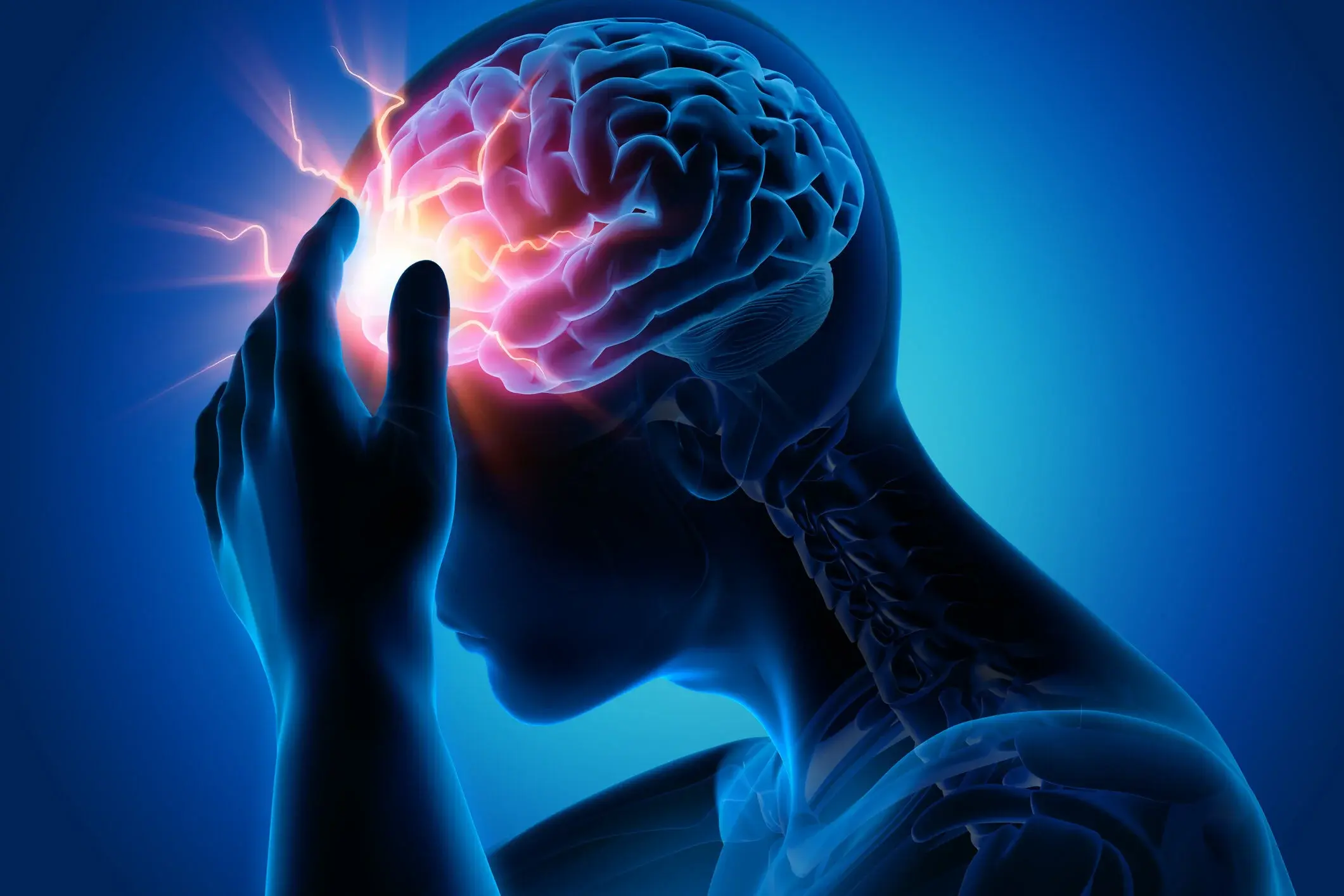
# Concussion 101: What You Need to Know About Head Injuries, Symptoms, and Recovery
Concussions are one of the most misunderstood injuries in both sports and everyday life. Whether it’s a collision on the field or a motor vehicle accident, many people don’t fully understand what a concussion is—or how serious it can be.
In this episode of *Concussion 101*, we break down the fundamentals of concussions, how they happen, and what recovery actually looks like—highlighted by a real-life case from Dr. Trevor.
[CHECK OUT OUR PODCAST](https://open.spotify.com/episode/7n5pOlMu6dyGmjPwTO0syi?si=aXnI049pQIGGflsOMxIsMA)
---
## What Is a Concussion?
A concussion is a **mild traumatic brain injury (TBI)** caused by a sudden movement or force to the head or body that disrupts normal brain function.
Importantly, this doesn’t always require a direct hit to the head. Rapid acceleration or deceleration—like in a car accident or fall—can create enough force to affect the brain.
👉 If you're searching for **concussion treatment near me** or **physical therapy for concussion recovery**, understanding this is the first step.
---
## How Do Concussions Happen?
Most people associate concussions with contact sports—but they occur in many settings:
### Common Causes:
- Contact sports injuries (football, soccer, hockey)
- Falls during workouts or daily activity
- Motor vehicle accidents (whiplash injuries)
- Recreational accidents (cycling, golf, gym training)
👉 Many patients we see searching for **post-concussion therapy in Delaware** or **sports concussion rehab near Rehoboth Beach** are surprised their injury didn’t involve a direct hit.
---
---
## Signs and Symptoms of a Concussion
Concussion symptoms are often subtle and delayed, which is why many people search for:
👉 **“Do I have a concussion?”**
👉 **“Concussion symptoms after car accident”**
### Physical Symptoms:
- Headache or head pressure
- Dizziness or vertigo
- Nausea
- Light or noise sensitivity
### Cognitive Symptoms:
- Brain fog
- Difficulty concentrating
- Memory issues
### Emotional Symptoms:
- Irritability
- Anxiety
- Mood swings
### Sleep Symptoms:
- Trouble falling asleep
- Fatigue
👉 These are key indicators that you may need **concussion evaluation and treatment**.
---
## A Real-Life Example: Dr. Trevor’s Concussion Journey
Dr. Trevor’s experience after a motor vehicle accident highlights how complex recovery can be.
### Key Lessons:
- Symptoms can be delayed
- Recovery is not linear
- Even healthcare professionals struggle with concussion recovery
- It impacts physical, cognitive, and emotional health
👉 Many patients looking for **post-concussion syndrome treatment** experience similar challenges.
---
## The Biggest Misconceptions About Concussions
### ❌ Myth: You need to hit your head
✅ Reality: Whiplash alone can cause a concussion
### ❌ Myth: You must lose consciousness
✅ Reality: Most concussions occur without it
### ❌ Myth: Rest is enough
✅ Reality: You often need **guided concussion rehabilitation**
👉 Modern care includes **vestibular therapy, balance training, and neurological rehab**.
---
## Why Early Concussion Treatment Matters
Delaying care can:
- Prolong symptoms
- Affect performance
- Increase risk of re-injury
👉 That’s why people actively search for:
- **concussion clinic near me**
- **vestibular therapy near me**
- **physical therapy for dizziness and balance**
---
## What This Means for Active Adults & Golfers
For golfers and active adults, concussions can impact:
- Balance and stability
- Visual tracking
- Coordination
- Swing consistency
👉 Even mild symptoms can affect performance, which is why **golf performance physical therapy** often overlaps with **concussion rehab**.
---
## Key Takeaways
- A concussion is a **brain injury requiring proper care**
- It can happen without direct impact
- Symptoms are often delayed
- Recovery requires a structured plan
- Early treatment leads to better outcomes
---
## Final Thoughts
Education is the first step in recovery.
If you’re experiencing symptoms or recently had an injury, don’t ignore it.
👉 Getting evaluated early can make all the difference.
**Empower U PT & Performance**
Serving active adults and golfers in Delaware & Maryland
📞 410-589-0202
🌐 [www.EmpowerUPTP.com](http://www.EmpowerUPTP.com)
[BOOK AN APPOINTMENT](https://empoweruptp.com/contact-us)
###### Search
Search
###### Category
- [All Categories](https://empoweruptp.com/empoweru-blog/tag/all-categories)
###### Popular Post
- [Back Pain 101](https://empoweruptp.com/empoweru-blog/back-pain-101)
- [Hip Pain 101](https://empoweruptp.com/empoweru-blog/hip-pain-101)
- [Different Types of Exercise: Pros and Cons](https://empoweruptp.com/empoweru-blog/blog/different-types-of-exercise-pros-and-cons)
- [Why imaging is usually not necessary prior to starting PT](https://empoweruptp.com/empoweru-blog/blog/do-i-need-a-mri-before-starting-physical-therapy)
- [Dynamic warm ups to improve driving distance and accuracy](https://empoweruptp.com/empoweru-blog/blog/improving-performance-reduce-injury)
###### Subscribe
## Similar Blogs
[](https://empoweruptp.com/empoweru-blog/turkey-day-exercises)
###### [Turkey Day Exercises](https://empoweruptp.com/empoweru-blog/turkey-day-exercises)
[](https://empoweruptp.com/empoweru-blog/knees-over-toes-rebuilding-confidence-and-strength-without-pain)
###### [Knees Over Toes: Rebuilding Confidence and Strength Without Pain](https://empoweruptp.com/empoweru-blog/knees-over-toes-rebuilding-confidence-and-strength-without-pain)
[](https://empoweruptp.com/empoweru-blog/hydration-heat-safety-tips-for-summer-performance)
###### [Hydration & Heat Safety Tips for Summer Performance](https://empoweruptp.com/empoweru-blog/hydration-heat-safety-tips-for-summer-performance)
Hydration & Heat Safety Tips for Summer Performance
Summer in Ocean Pines & Rehoboth brings...
.png)
-
-
-
##### Company
- [About](https://empoweruptp.com/about-us-physical-therapy)
- [About Us](https://empoweruptp.com/about-us-physical-therapy)
- [Meet the team](https://empoweruptp.com/meet-the-physical-therapy-team)
- [WHO WE HELP](https://empoweruptp.com/who-physical-therapy-helps)
- [Blog](https://empoweruptp.com/empoweru-blog)
- SERVICES
- [PHYSICAL THERAPY](https://empoweruptp.com/best-physical-therapy)
- [GOLF SIMULATOR](https://empoweruptp.com/indoor-golf-simulator)
- [PERFORMANCE PHYSICAL THERAPY](https://empoweruptp.com/physical-therapy-rehoboth-beach)
- [PERFORMANCE GOLF PHYSICAL THERAPY](https://empoweruptp.com/golf-physical-therapy)
- [FREE RESOURCES](https://empoweruptp.com/physical-therapy-free-resources)
- [Dry Needling](https://empoweruptp.com/dry-needling-rehoboth-beach)
- [Video Library](https://empoweruptp.com/video-library-rehoboth-ocean-pines)
- [GET STARTED TODAY](https://empoweruptp.com/physical-therapy-contact)
##### Services
- [Physical Therapy](https://empoweruptp.com/physical-therapy-rehoboth-beach)
- [Golf Performance & Simulator Services](https://empoweruptp.com/indoor-golf-simulator)
- [Sports Performance](https://empoweruptp.com/sports-performance-physical-therapy-clone-dont-use)
- [Events](https://empoweruptp.com/events-page)
##### Get In Touch
[11022 Nicholas Ln, Unit 9 Ocean Pines, MD 21811](https://maps.app.goo.gl/4WkfDAMrnHjZbXeU8)
[(410) 589-0202](tel:4105890202)
[1 Kings Creek Circle, Rehoboth Beach, DE 19971](https://maps.app.goo.gl/f5QJ6S7hfzgzFLb66)
[(302) 217-3212](tel:3022173212)
© 2023 EMPOWER U PT
[Privacy Poilicy |](https://www.hubspot.com/) [Terms & Condition](https://www.hubspot.com/)
☰
[Home](https://empoweruptp.com) [About Us](https://empoweruptp.com/about-us-physical-therapy) [Who We Help](https://empoweruptp.com/who-we-help) [Golf Sim](https://empoweruptp.com/indoor-golf-simulator) [Sports PT](https://empoweruptp.com/sports-performance-physical-therapy) [Golf PT](https://empoweruptp.com/golf-physical-therapy) [Physical Therapy](https://empoweruptp.com/physical-therapy-rehoboth-beach) [Events](https://empoweruptp.com/events-page) [Blogs](https://empoweruptp.com/empoweru-blog)
```json
{
"@context" : "https://schema.org",
"@type" : "BlogPosting",
"author" : {
"@type" : "Person",
"name" : "Doctor Trevor",
"url" : "https://empoweruptp.com/empoweru-blog/author/doctor-trevor"
},
"dateModified" : "2026-04-15T17:51:46.788Z",
"datePublished" : "2026-04-15T17:51:46.000Z",
"headline" : "Concussion 101",
"image" : [ "https://empoweruptp.com/hubfs/concussion.webp" ],
"mainEntityOfPage" : {
"@id" : "https://empoweruptp.com/empoweru-blog/concussion-101",
"@type" : "WebPage"
},
"publisher" : {
"@type" : "Organization",
"logo" : {
"@type" : "ImageObject",
"url" : "https://empoweruptp.com/hubfs/TRANSPARENT%20LOGO%20(1).png"
},
"name" : "Empower U PT LLC"
}
}
```