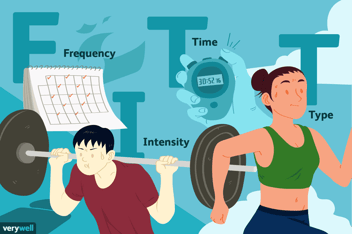

Principles of Golf Fitness & Periodization:
Why Smart Offseason Training Adds Speed, Power, and Distance
If your goal is to swing faster, hit the ball farther, and stay pain-free throughout the golf season, your offseason training matters more than any other time of year.
At Empower U PT & Performance, we see it all the time—golfers working hard in the gym but not seeing results on the course. The missing link is usually a lack of structured golf fitness and periodized training.
The 5 Principles of Fitness Every Golfer Should Follow
1. Specificity
The body adapts to what you train.
If you want to improve your golf swing, your training must focus on:
-
Rotational movement patterns
-
Golf-specific positions
-
Forces and speeds used during the swing
Random workouts may improve general fitness, but golf-specific training improves golf performance.
2. Overload
To increase strength, speed, and power, the body must be challenged beyond its current capacity.
This principle applies to:
-
Strength training
-
Speed training
-
Power development
-
Mobility and stability work
Without overload, there is no improvement.
3. Progression
Progression is the gradual increase of training stress over time.
For golfers, this means:
-
Increasing resistance, speed, or complexity strategically
-
Avoiding plateaus
-
Minimizing injury risk
This is one of the most common mistakes we see in golfers training without professional guidance.
4. Individualization
No two golfers are the same.
Mobility limitations, strength deficits, injury history, and swing mechanics all influence how someone should train. That’s why TPI-based assessments and individualized programs are critical for long-term success.
5. Reversibility
When training stops, gains disappear.
Strength, speed, and mobility decline without consistency. Maintaining golf fitness year-round helps protect your body and your swing.
Why Periodization Is Essential for Golf Performance
Periodization is the strategic organization of training phases to maximize performance and reduce injury risk.
For golfers, an effective offseason program typically follows this order:
Phase 1: Mobility
-
Hips
-
Thoracic spine
-
Shoulders
Phase 2: Strength & Stability
-
Core strength
-
Glute activation
-
Lower body strength
Phase 3: Power & Speed
-
Medicine ball throws
-
Jump training
-
Golf-specific speed work
This structured approach helps golfers peak at the right time—when the season starts, not mid-winter.
Common Limitations That Reduce Golf Speed and Distance
At our clinics, we frequently see golfers limited by:
-
Poor hip rotation (the #1 predictor of low back pain in golfers)
-
Limited thoracic spine mobility
-
Weak glutes and core muscles
-
Training without structure or progression
Addressing these factors improves performance and reduces injury risk.
Build a Golf-Proof Body This Offseason
Golf performance training isn’t about lifting the heaviest weights—it’s about building a body that can:
-
Rotate efficiently
-
Generate power safely
-
Handle repetitive swings without breakdown
When guided by golf-specific physical therapy and performance training, golfers often see:
-
Faster clubhead speeds
-
Improved consistency
-
Fewer aches and injuries
-
Longer, healthier playing careers
📍 Train Smarter. Swing Faster. Play Longer.
If you’re ready to take your golf performance seriously, our Doctors of Physical Therapy and golf performance specialists are here to help.
Empower U PT & Performance
Serving active adults and golfers in Delaware & Maryland
📞 410-589-0202
🌐 www.EmpowerUPTP.com