
During the offseason, motivation fades, routines get disrupted, and progress can stall. If you feel like you’re stuck in a workout rut or hitting a plateau, you’re not alone — and you don’t need to start over.
Instead, you need a smarter structure.
At our performance-focused physical therapy and training clinic serving golfers and active adults in Rehoboth Beach and Ocean Pines, we help people reset their training using evidence-based frameworks that drive sustainable progress. One of the most effective is the FITT-VP principle.
Developed by the American College of Sports Medicine, the FITT-VP model provides a blueprint for building safe, efficient, and progressive exercise programs — whether your goal is strength, mobility, endurance, or golf performance.
What Is the FITT-VP Principle?
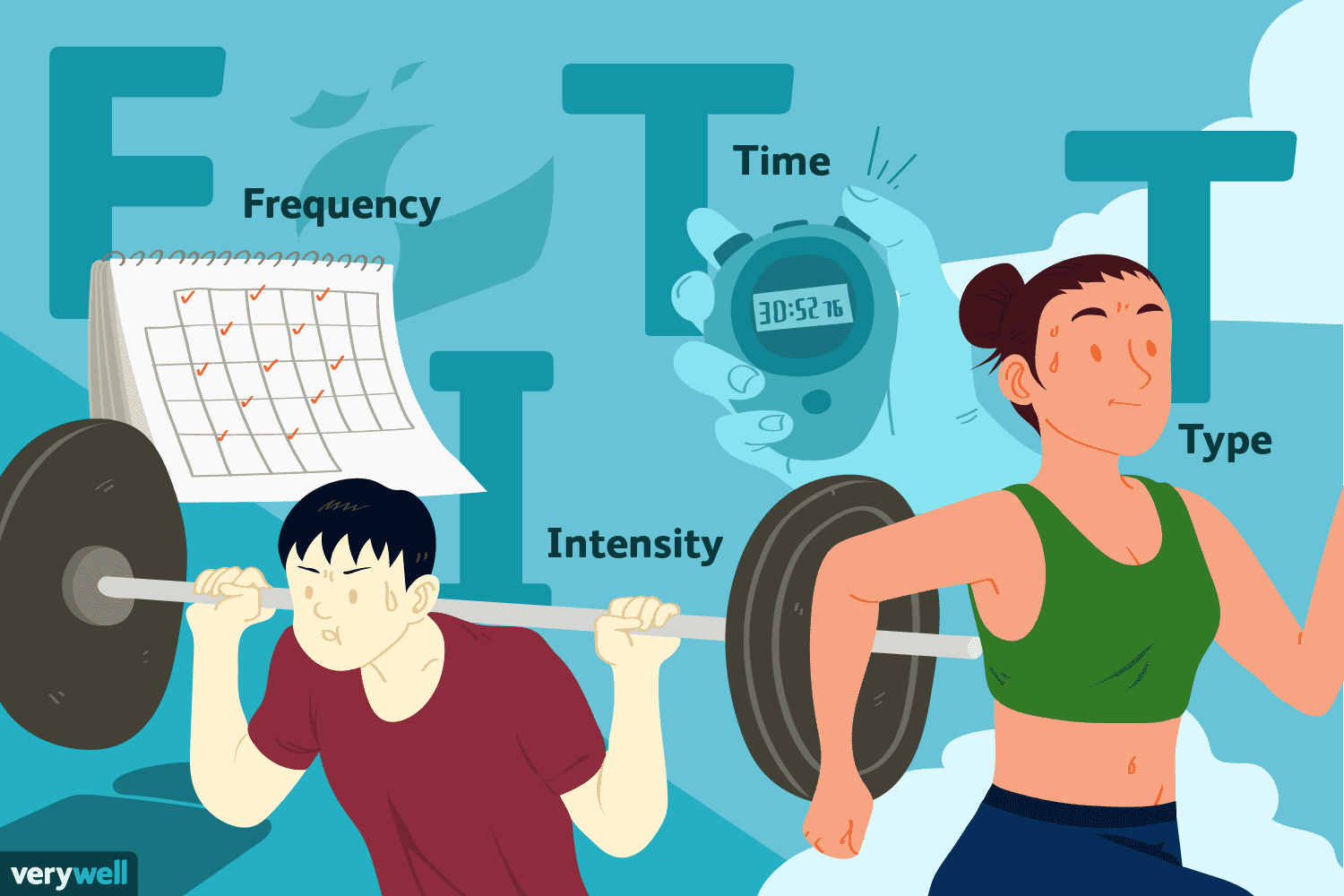
The FITT-VP framework ensures your workouts are structured for results rather than guesswork. Here’s how each component helps break plateaus and rebuild momentum.
Frequency — How often you train
Consistency matters more than occasional intense workouts. Training 3–5 days per week allows your body to adapt without burnout. If your routine has slipped, focus first on showing up regularly.
Intensity — How hard you train
Plateaus often happen when intensity stays the same for too long. Strategic variation — pushing when appropriate and recovering when needed — stimulates progress while reducing injury risk.
Time — How long you train
Effective workouts don’t need to be long. Focused sessions lasting 20–60 minutes can deliver powerful results when structured correctly.
Type — What kind of exercise you do
Balanced training prevents overuse injuries and stagnation. Combining strength training, cardiovascular conditioning, and mobility work builds a resilient, high-performing body — especially important for golfers and active adults.
Volume — Your total training load
Tracking sets, reps, or total minutes provides measurable progress. Proper volume prevents overtraining while ensuring enough stimulus for growth.
Progression — How your training evolves
Gradual increases keep your body adapting. Small improvements compound into major gains without overwhelming recovery.
Why Fitness Plateaus Happen — And How to Fix Them
A plateau isn’t failure — it’s feedback. Your body has adapted to your current stimulus. Adjusting one or more FITT-VP variables can reignite progress quickly.
Common reset strategies include:
- Increasing workout consistency
- Modifying intensity levels
- Introducing new movement patterns
- Adjusting volume
- Prioritizing recovery and mobility
These changes create fresh stimulus and renewed momentum.
Reset Your Fitness Goals — Starting Today
Rather than abandoning your goals, refine your strategy. Structured training leads to better performance, fewer setbacks, and long-term results.
Whether you’re trying to move better, hit the golf ball farther, or rebuild strength after injury, a smart reset can put you back on track.
If you want personalized guidance, movement assessments, or a performance-driven training plan, working with professionals can accelerate your results and reduce frustration.
Your next breakthrough isn’t about doing more — it’s about doing the right things consistently.
Empower U PT & Performance
Serving active adults and golfers in Delaware & Maryland
📞 410-589-0202
🌐 www.EmpowerUPTP.com